Belle Gibson: 'Trust Me, I'm Dying'
Belle Gibson had the kind of cancer story people desperately wanted to believe. She said she'd been diagnosed with terminal brain cancer and given months to live. Instead of accepting that prognosis, she changed the way she ate, turned to alternative therapies, and somehow survived. There was just one fairly significant problem: Belle Gibson had never had cancer.
Published August 16, 2026 | Featuring: Jessica Strohm

Belle Gibson's Fake Cancer Scam: How Vulnerability Built Trust Online
Belle Gibson built a wellness empire around an extraordinary story: she had terminal brain cancer, conventional medicine had failed her, and nutrition and alternative therapies had helped her survive.
There was just one problem: She never had cancer.
But this episode isn't really about how Belle Gibson fooled hundreds of thousands of people. It's about why her story was so easy to trust in the first place.
From The Whole Pantry and the institutions that legitimized Gibson's story to the psychology of self-disclosure, parasocial relationships, influencer culture, and our growing expectation of authenticity online, this episode explores what happens when vulnerability starts functioning as evidence.
Because most of us don't respond to another person's suffering by asking for proof. We respond with compassion. That's usually one of our better instincts.
So how do we protect that instinct without allowing intimacy, relatability, and personal experience to become substitutes for credibility?
Belle Gibson's story exposes an uncomfortable problem with the way we decide who feels trustworthy online: feeling like we know someone isn't the same as actually knowing them.
“Feeling like we know someone isn't the same as actually knowing them.”
— Jessica Strohm, Host & Show Creator
The Central Question
Belle Gibson's story raises a larger question than how one woman convinced so many people that she had cancer: why does vulnerability make someone feel more trustworthy — and what happens when we mistake emotional intimacy for credibility?
Most of us extend compassion without demanding proof. That's part of how relationships work, and the episode doesn't argue that we should become more suspicious of people who share their suffering. Instead, Gibson's story exposes several distinctions that become unusually difficult to maintain online.
Someone can deserve kindness without deserving authority. Lived experience can be meaningful without becoming universal expertise. A person can feel authentic without necessarily being accurate. And the intimacy created by following someone's life can feel remarkably similar to actually knowing them.
The challenge isn't learning to distrust vulnerability; it's learning how to remain compassionate without discarding discernment.
Sources & Further Reading
Belle Gibson & The Whole Pantry
Consumer Affairs Victoria
Official summary of the Federal Court proceedings, Gibson's false representations, injunctions and the $410,000 AUD penalty.
ABC Media Watch
Particularly useful for tracing how Gibson's claims were repeated by Australian media and how little verification occurred before publication.
ABC News
Covers Consumer Affairs Victoria's case and Penguin Australia's acknowledgement that Gibson's medical claims had not been substantiated before publication.
ABC News
Contemporary reporting on the Federal Court penalty and Justice Debra Mortimer's findings.
ABC News
Useful retrospective covering the court proceedings, unpaid penalties and later enforcement efforts.
SBS News
Confirms that Consumer Affairs Victoria said in May 2026 that the outstanding penalty had not been written off and enforcement was continuing.
Victorian Parliament
Primary-source parliamentary discussion concerning the status of Gibson's outstanding $410,000 penalty.
Vulnerability, Self-Disclosure & Parasocial Relationships
Leite & Baptista
Study of 433 participants examining intimate self-disclosure, source credibility, parasocial relationships, brand trust and purchase intentions.
Nah
Experimental research finding that intimate self-disclosure increased perceived authenticity, which contributed to liking and message acceptance.
Research summary
An important counterpoint: greater disclosure isn't automatically beneficial. Disclosure perceived as inappropriate can actually reduce trust and purchase intentions.
Documentaries & Interviews
The Australian Women's Weekly
The interview in which Gibson was directly confronted about her cancer claims and acknowledged that the story was untrue.
60 Minutes Australia
Tara Brown's extended interview with Gibson following the collapse of The Whole Pantry.
Netflix
A dramatized series inspired by Gibson's rise and downfall within the wellness industry.
Related Enquiries

Robert Hansen & The Coward's Hunt
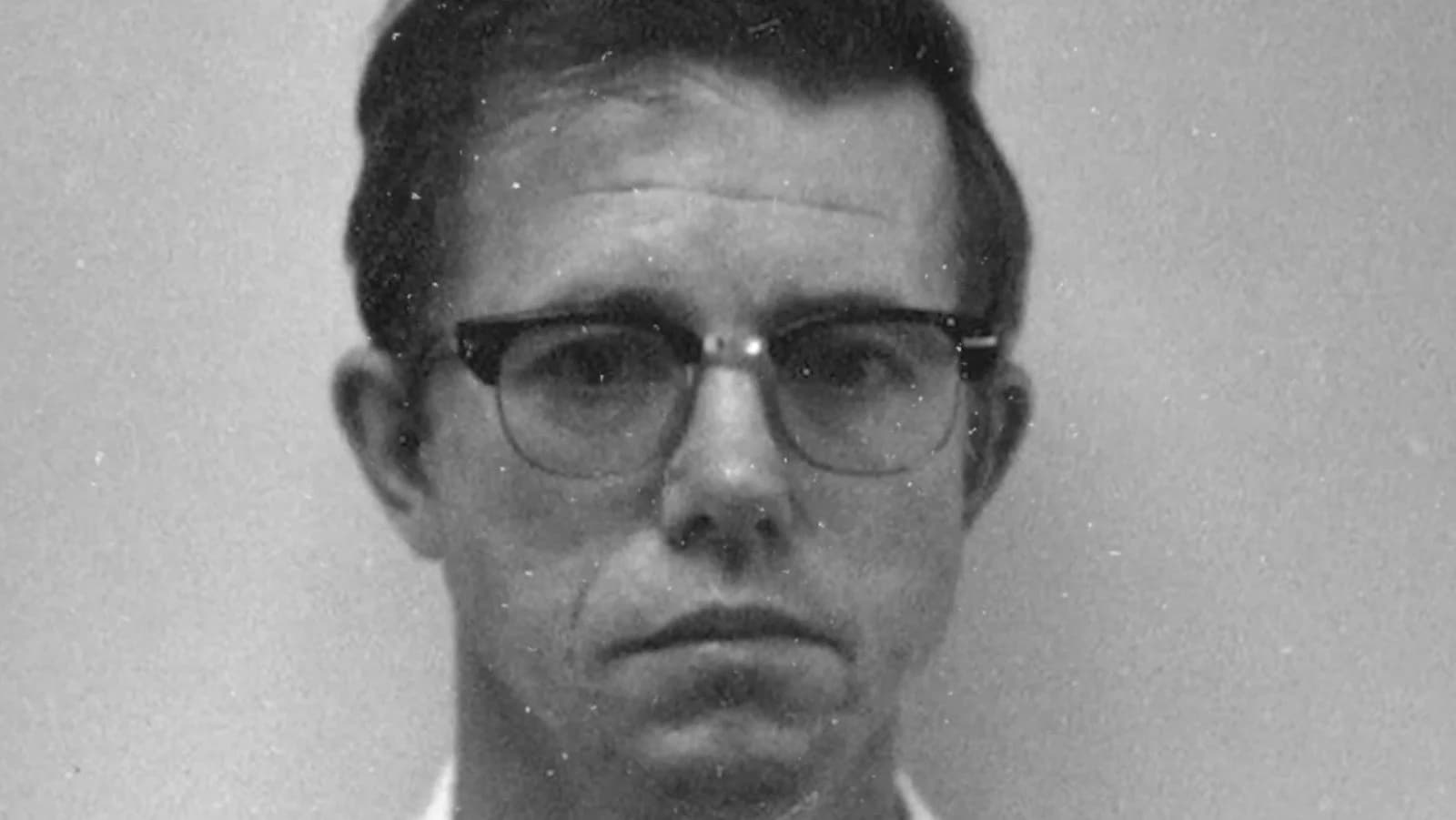
Robert Hansen became infamous as Alaska's “Butcher Baker,” a serial killer who abducted women, flew them into the Alaskan wilderness, and hunted them through remote terrain. Or at least that's the mythology. But I think calling what Hansen did a “hunt” gives him far too much credit. He selected women he believed society would be slow to protect. He controlled the weapons, transportation, restraints, terrain, timing, and whether anyone knew where they were. Then, he treated the helplessness he had deliberately manufactured as evidence of his own superiority. But I have a question: What does winning actually prove when you were the person who controlled the rules?
Charles Sobhraj & The Psychology of Trust
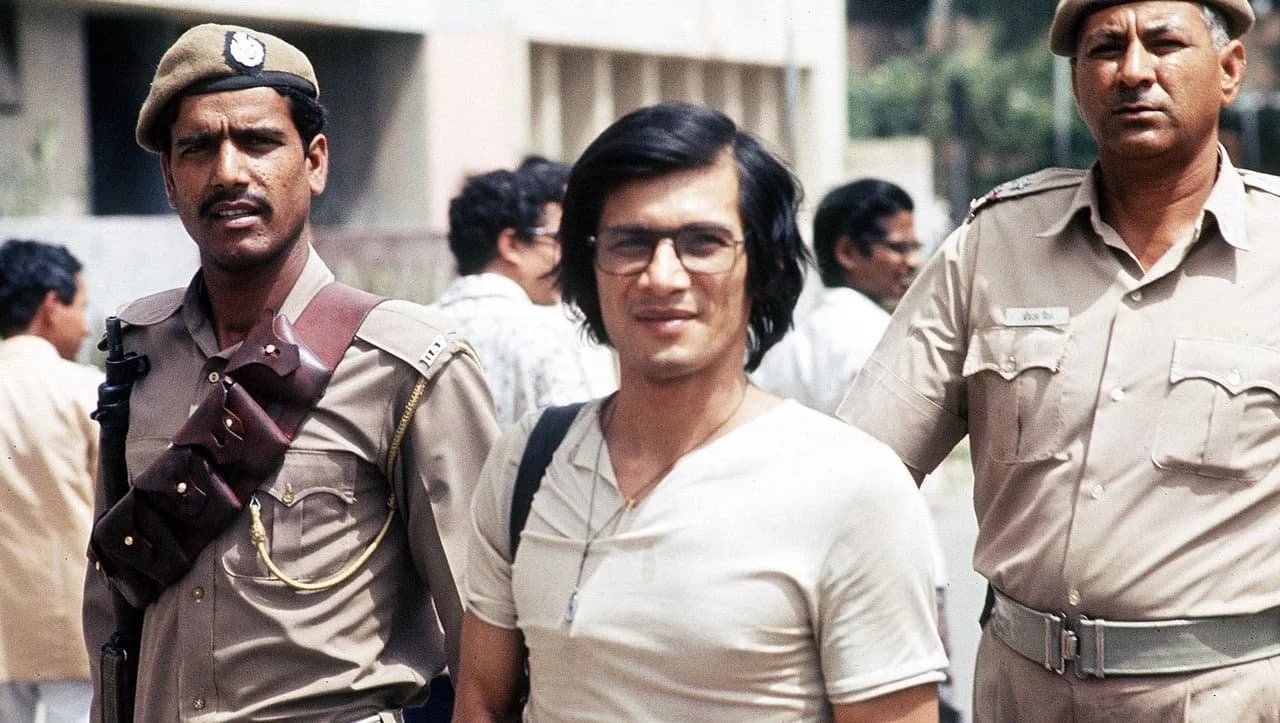
When people picture a serial killer, they often imagine someone who immediately feels unsettling. Charles Sobhraj challenges that assumption. Throughout the 1970s, Sobhraj moved effortlessly through the backpacker communities of Southeast Asia, presenting himself as a sophisticated gem dealer, seasoned traveler, and trusted friend. His victims weren't simply chosen at random—they were people who believed they had found someone willing to help them navigate an unfamiliar world. In this episode of Pretty Evil, we explore the psychology behind one of history's most charismatic predators and ask why emotionally intelligent manipulators are often so difficult to recognize.