Episodes
Stories of crime, psychology, power, identity, and the once-relatable machinery beneath human behavior.
Charles Sobhraj & The Psychology of Trust
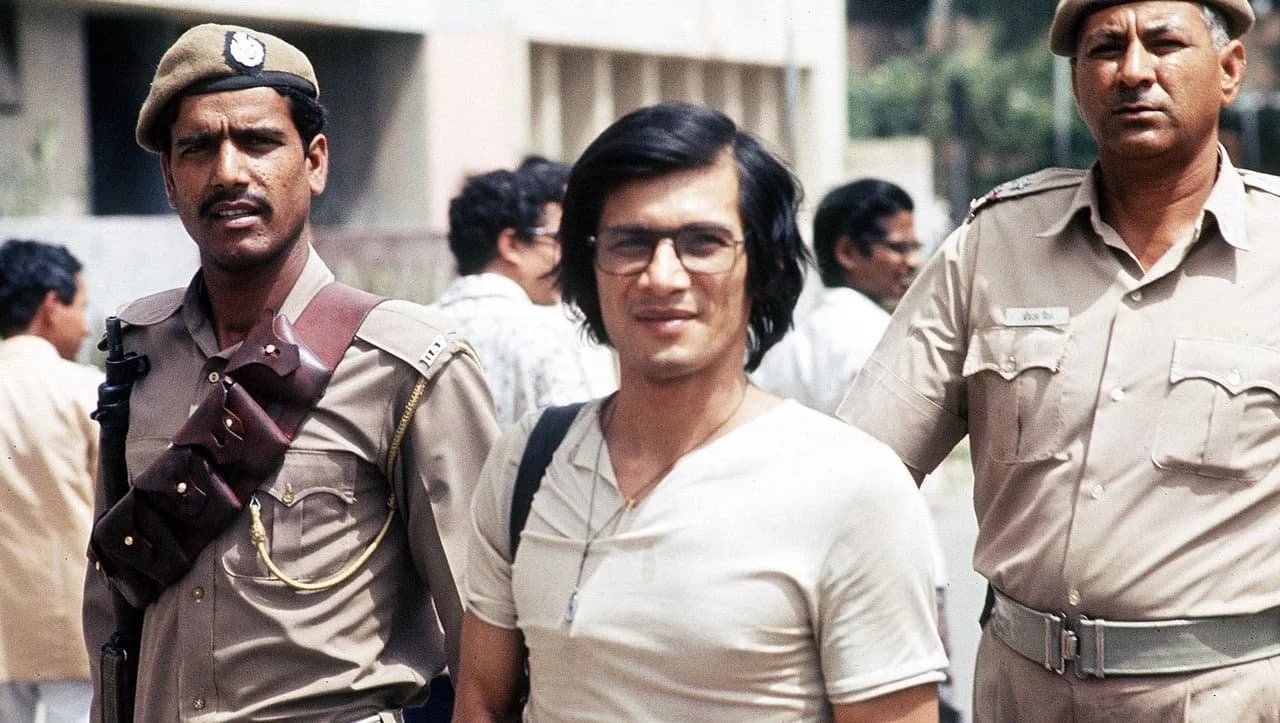
When people picture a serial killer, they often imagine someone who immediately feels unsettling. Charles Sobhraj challenges that assumption. Throughout the 1970s, Sobhraj moved effortlessly through the backpacker communities of Southeast Asia, presenting himself as a sophisticated gem dealer, seasoned traveler, and trusted friend. His victims weren't simply chosen at random—they were people who believed they had found someone willing to help them navigate an unfamiliar world. In this episode of Pretty Evil, we explore the psychology behind one of history's most charismatic predators and ask why emotionally intelligent manipulators are often so difficult to recognize.

The War On Witches: When Good People Do Evil Things
Most of us think we already understand the witch hunts. We think of Salem; Of pointed hats, black cats, and women accused of consorting with the devil. It's one of history's most recognizable stories, which is exactly why it's so easy to gloss over. We assume we know what happened, file it away under “historic events in the rearview mirror,” and move on. But the deeper you look, the stranger it gets — and the less it has to do with the Salem we think we know.
Richard Chase: The Vampire Of Sacramento
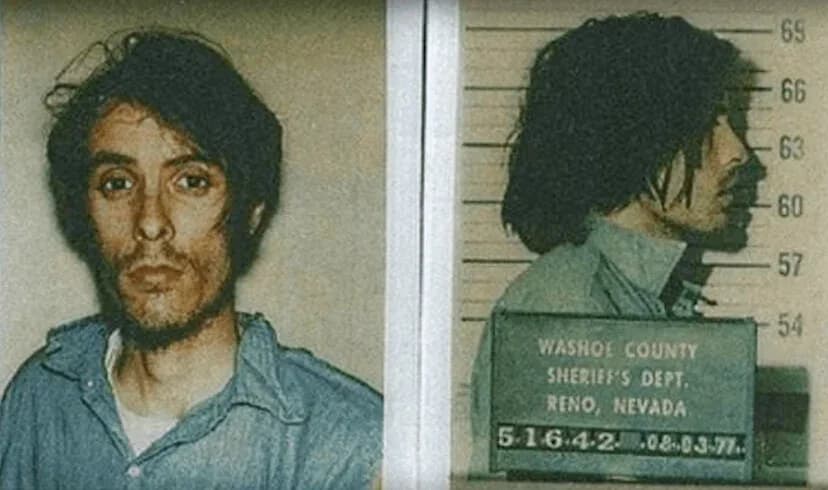
Richard Chase is remembered as the Vampire of Sacramento—a man whose crimes shocked investigators, terrified an entire city, and became one of the most infamous cases in FBI profiling history. But what if the most disturbing part of this story isn't what Richard Chase did? What if it's the fact that almost everyone saw it coming? Years before six people were murdered in Sacramento, Chase had been diagnosed with paranoid schizophrenia, repeatedly hospitalized, and documented exhibiting profoundly disturbing behavior. Nurses feared him. Doctors treated him. Psychiatric staff begged for him to remain hospitalized. Then he was released.


Fraternity Hazing: What We'll Do To Belong
Stone Foltz, Timothy Piazza, Michael Deng and George Desdunes died in cases involving fraternity hazing, each under very different circumstances. What connects them is a harder question: what happens to our sense of right and wrong when belonging, tradition and group loyalty make dangerous behavior feel normal?

Belle Gibson: 'Trust Me, I'm Dying'
Belle Gibson had the kind of cancer story people desperately wanted to believe. She said she'd been diagnosed with terminal brain cancer and given months to live. Instead of accepting that prognosis, she changed the way she ate, turned to alternative therapies, and somehow survived. There was just one fairly significant problem: Belle Gibson had never had cancer.
Robert Hansen & The Coward's Hunt
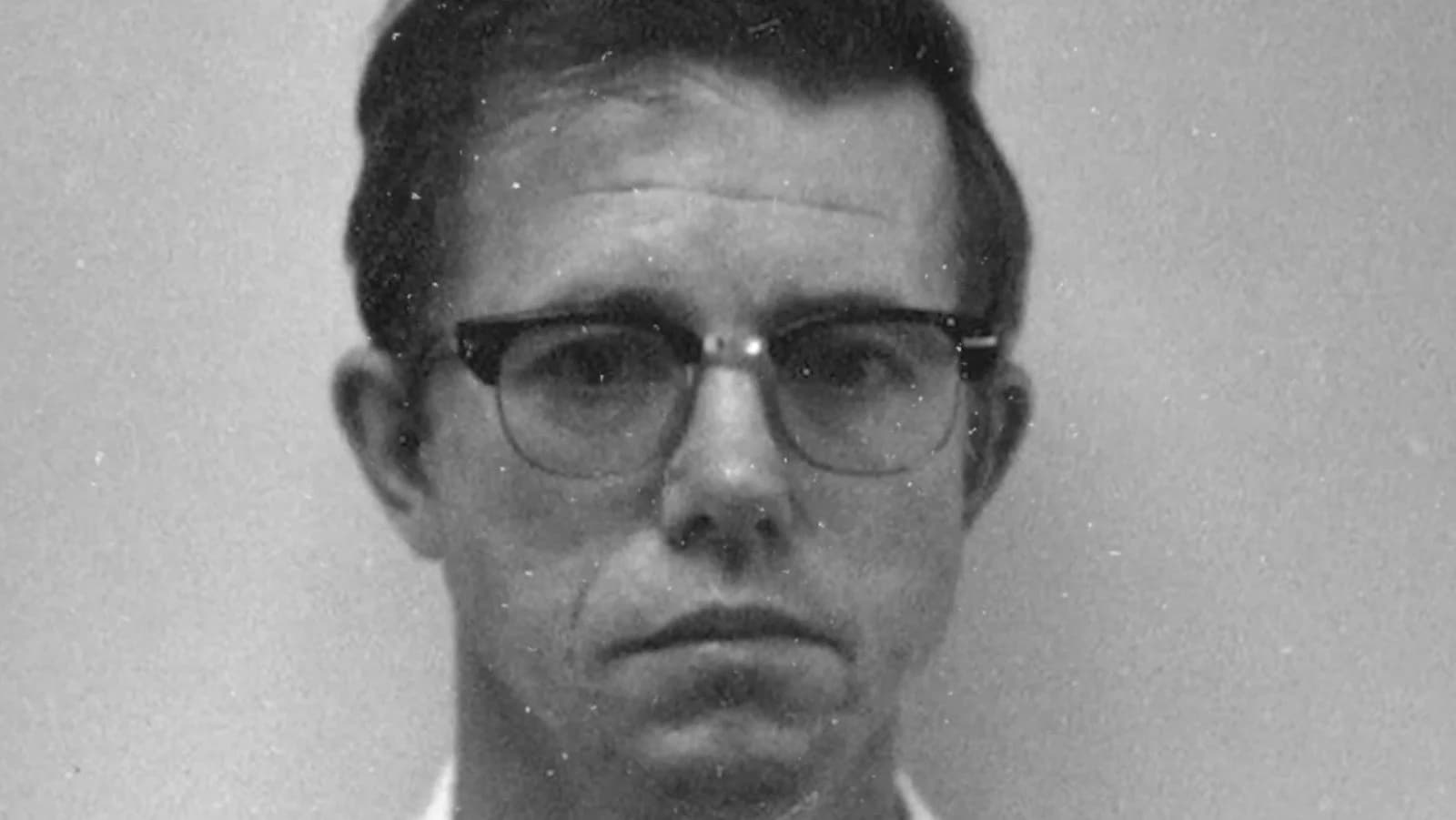
Robert Hansen became infamous as Alaska's “Butcher Baker,” a serial killer who abducted women, flew them into the Alaskan wilderness, and hunted them through remote terrain. Or at least that's the mythology. But I think calling what Hansen did a “hunt” gives him far too much credit. He selected women he believed society would be slow to protect. He controlled the weapons, transportation, restraints, terrain, timing, and whether anyone knew where they were. Then, he treated the helplessness he had deliberately manufactured as evidence of his own superiority. But I have a question: What does winning actually prove when you were the person who controlled the rules?
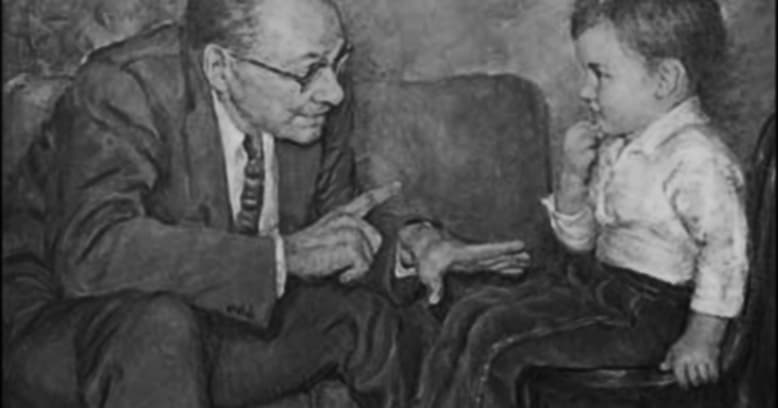
The Monster Study: Authority, Identity & The Stories We Inherit About Ourselves
In 1939, University of Iowa graduate student Mary Tudor arrived at the Iowa Soldiers' Orphans' Home with an experiment. Twenty-two children were divided into groups. Some already stuttered. Others spoke normally. Six of those normally speaking children were told something that wasn't true: experts had determined they were developing a speech problem. In this episode of Pretty Evil, we revisit the infamous “Monster Study,” the controversial theory of psychologist Wendell Johnson, the young graduate student who carried it out, and the six children who wouldn't learn the truth about what had happened to them until decades later.